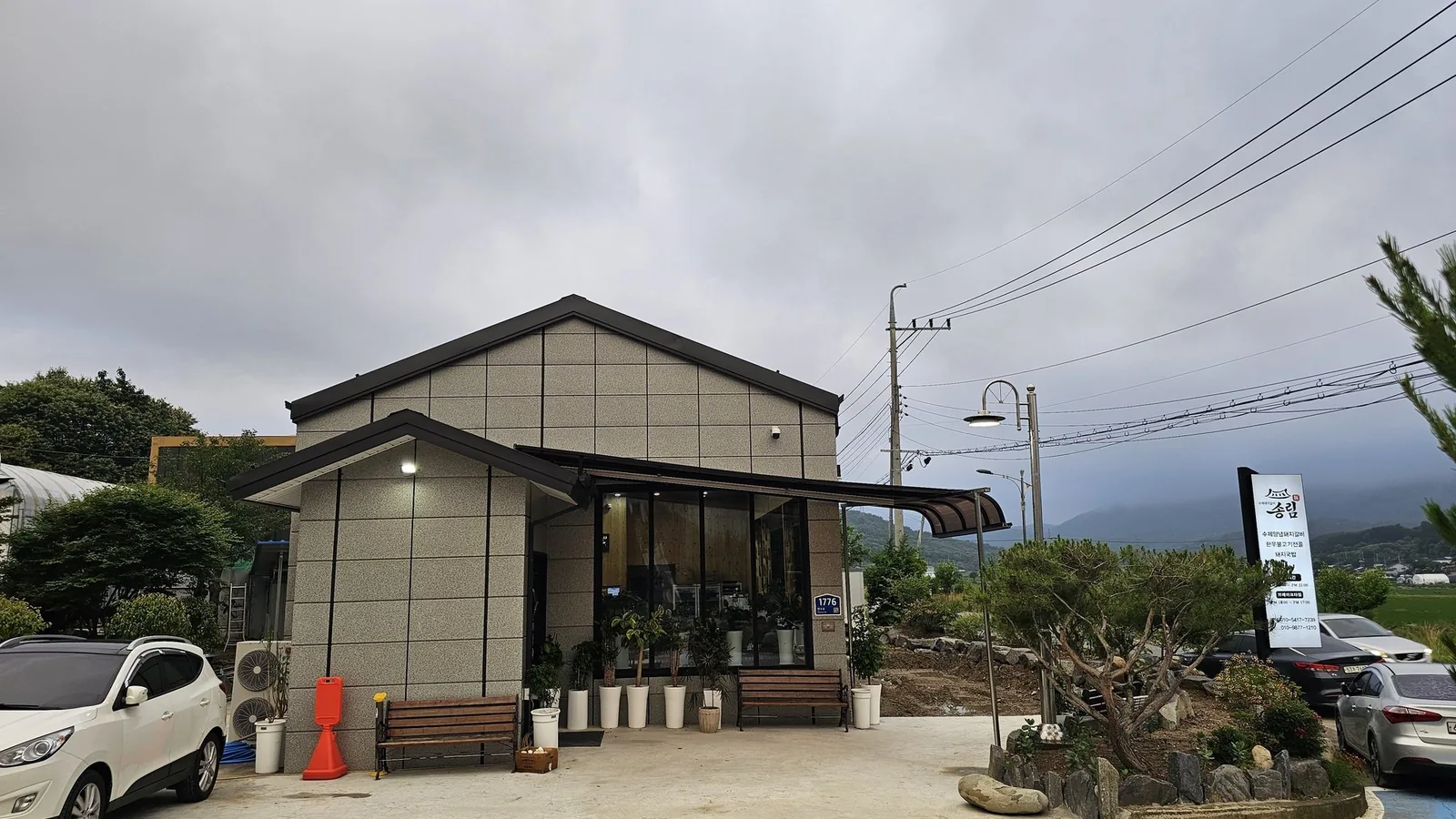
Quick honest review of Songnim (송림) — a local Korean BBQ place in Cheongyang, South Chungcheong Province, that does house-made marinated pork ribs. Short version: the galbi is genuinely better than most Korean BBQ spots you’ll hit on the tourist trail, the pork belly quality was excellent, and the evening we went the place was packed with locals. That last part matters.
Five of us. Evening visit. Left full and happy.
Wait — Where Is Cheongyang?
Fair question. Most people have never heard of it.
Cheongyang (청양) is a small county in South Chungcheong Province (충청남도), about 150km south of Seoul. Population around 30,000. Rural. Agricultural. Not on anyone’s Korea travel itinerary.
What it IS known for: 청양고추 (Cheongyang pepper) — one of the hottest chili peppers in Korea, and the pepper this town literally gave its name to. If you’ve eaten a Korean dish and thought “that’s actually spicy,” there’s a decent chance Cheongyang peppers were involved.
If you’re doing a Seoul-only 3-day trip: this is not for you. Stick to Seoul, eat Korean BBQ there, come back on a longer trip. But if you’re doing a proper road trip through Chungcheong — hitting Gongju, Boryeong, Buyeo, or just driving across the province — Cheongyang is a natural stop. And Songnim is one of the better reasons to stop there.
What Is Songnim?
Songnim (송림) means “pine forest” in Korean — a nod to the pine trees landscaped out front. It’s a local Korean BBQ restaurant with one main specialty: 수제양념돼지갈비 (suje yang-nyeom dwaeji-galbi).
Breaking that down for people who don’t read Korean:
– 수제 (suje) = handmade, house-made
– 양념 (yang-nyeom) = marinated, seasoned
– 돼지 (dwaeji) = pork
– 갈비 (galbi) = ribs
So: house-made marinated pork ribs. The key word is 수제. Most Korean BBQ spots — good and bad — use commercially bottled marinades. It’s fast, consistent, and honestly fine. But it tastes like every other place using the same bottle. A house-made marinade means someone is actually making the sauce from scratch in that kitchen.
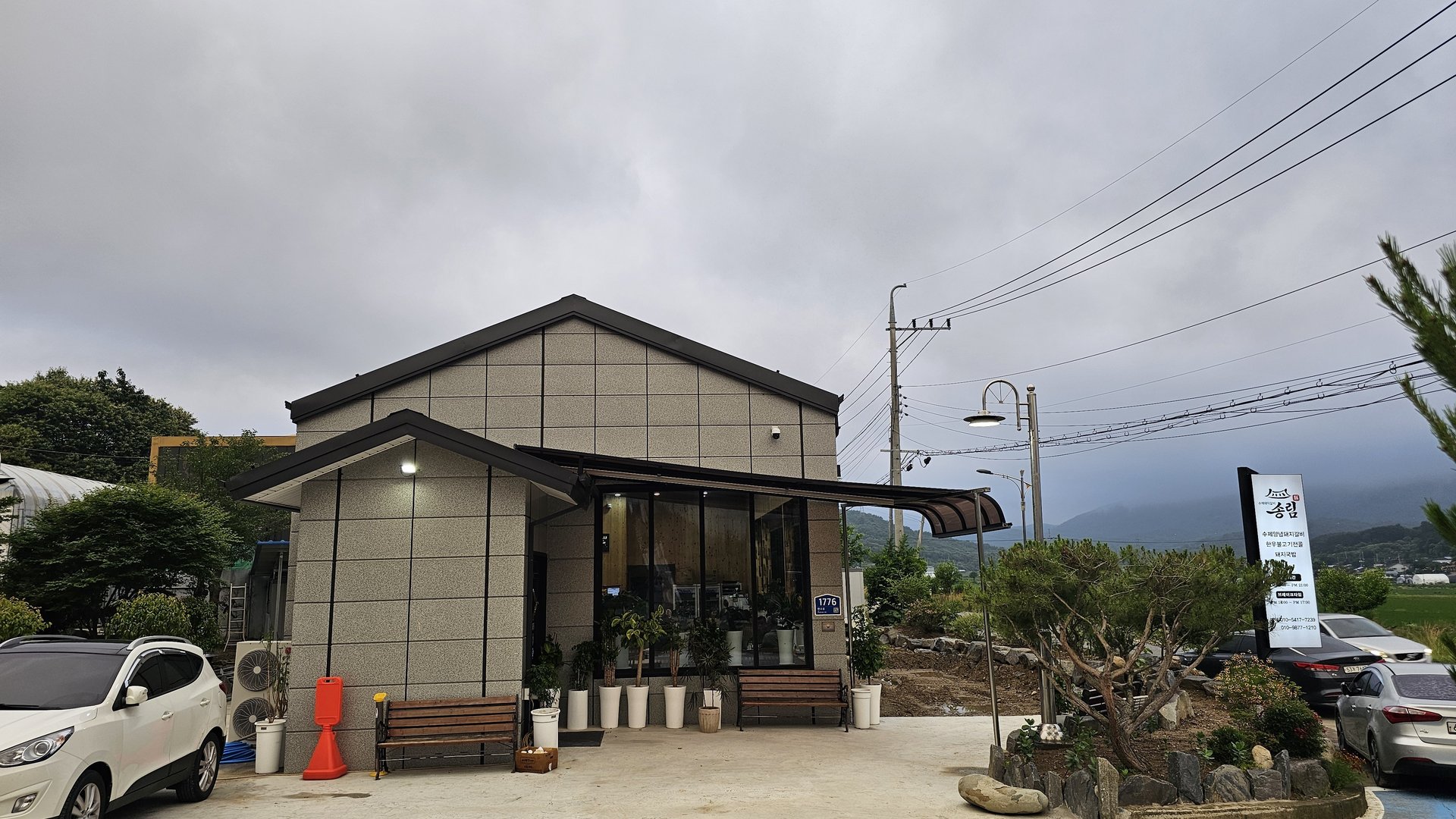
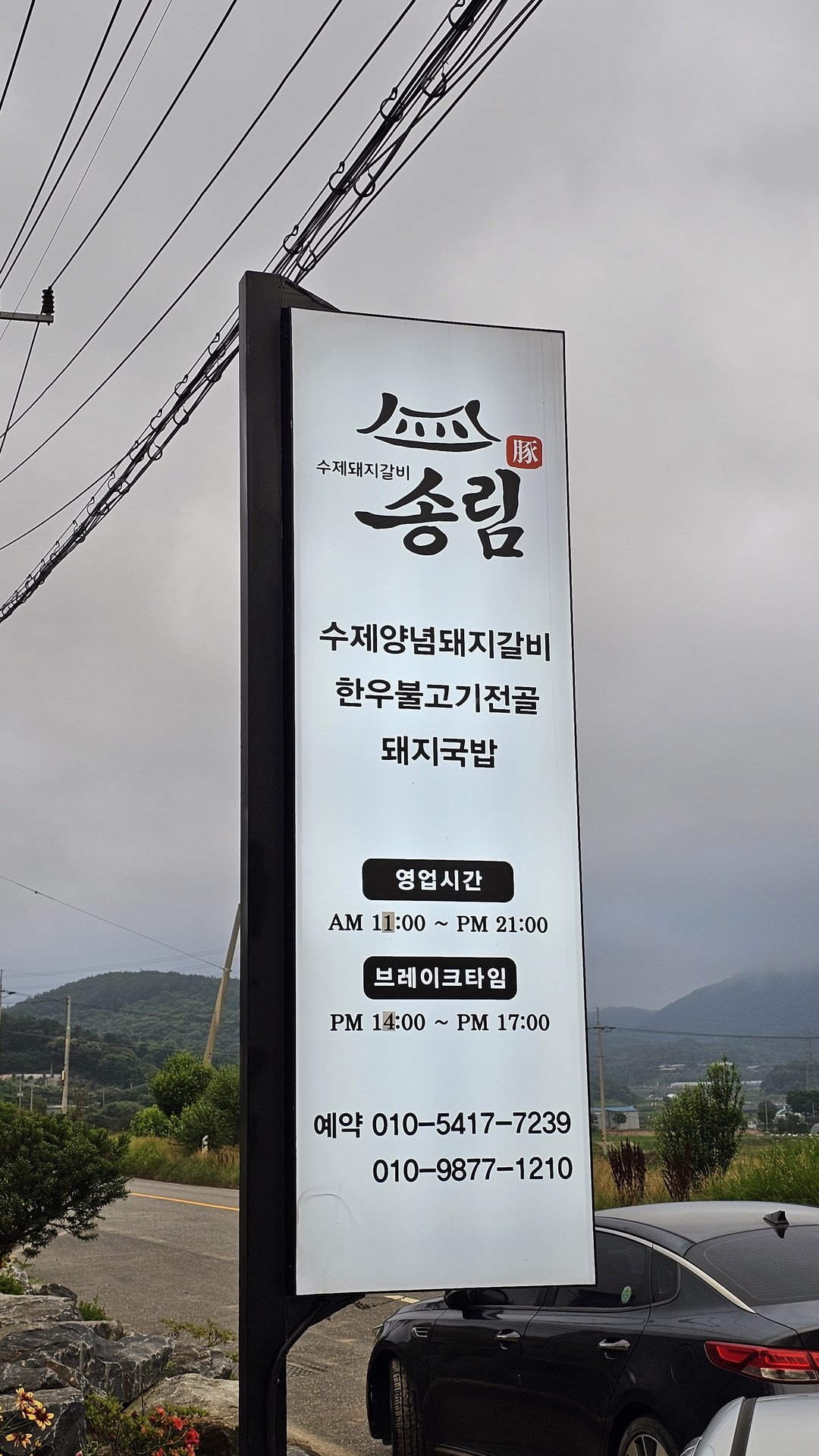
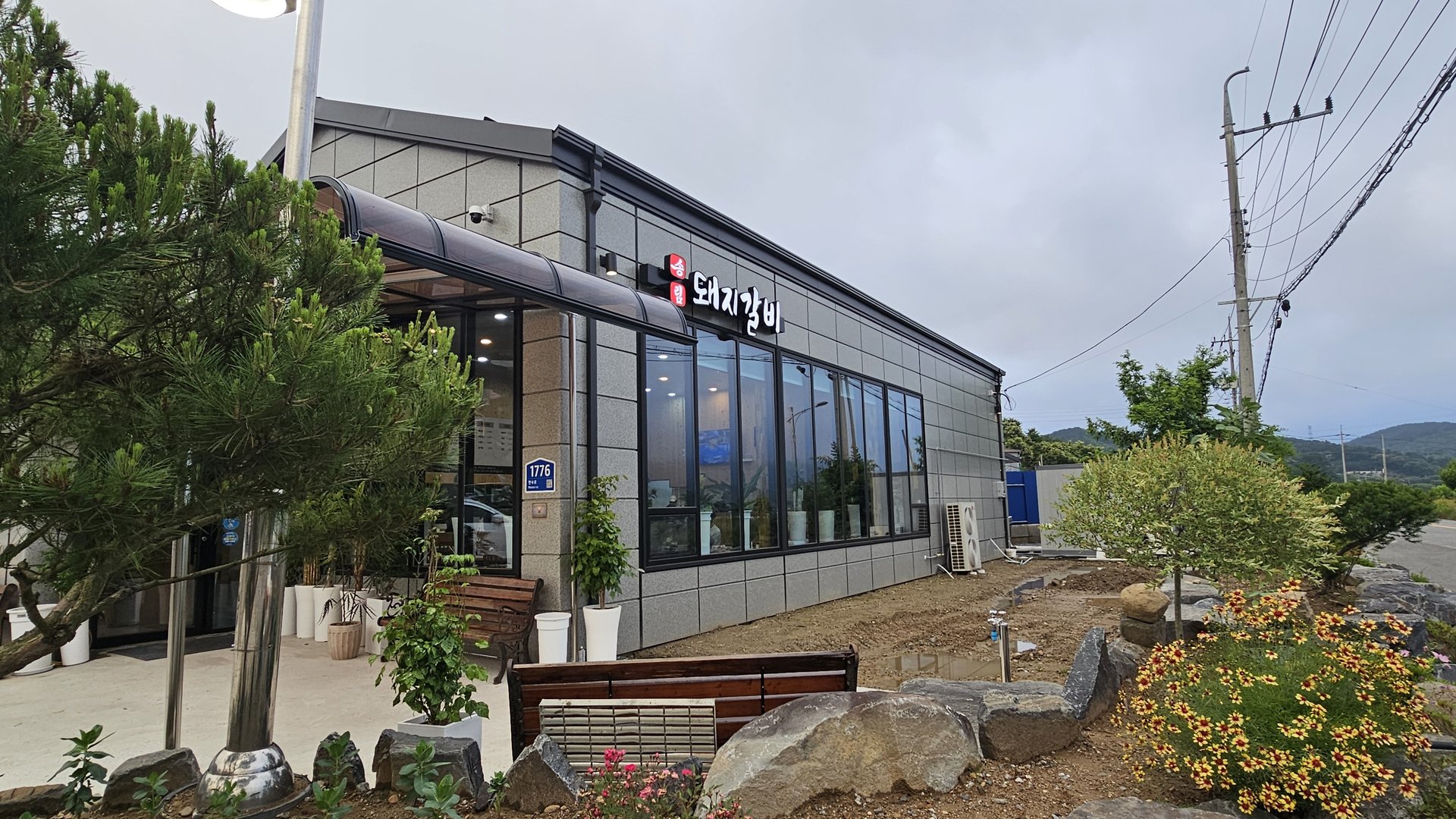
The building itself is new or recently renovated — clean gray panel exterior, proper parking lot, pine trees out front doing their branding duty. Not fancy, not a hole-in-the-wall. That middle zone where a place looks like it takes itself seriously without charging Seoul prices.
Hours: 11:00 AM – 9:00 PM.
Getting There
No subway. No KTX stop. This is Chungnam countryside.
From Seoul: About 2 hours by car via the Seohaean Expressway (서해안고속도로) or Honam Expressway (호남고속도로). Express buses from Seoul’s Gangnam Express Bus Terminal (강남고속버스터미널) serve nearby towns — check schedules to Cheongyang or Hongseong and work out from there.
From Daejeon: About 1 hour by car — much more manageable as a day trip base.
Parking: On-site lot. No issues.
Driving is the practical option here. Rent a car in Seoul or Daejeon if you want to explore the Chungcheong region properly.
The Interior
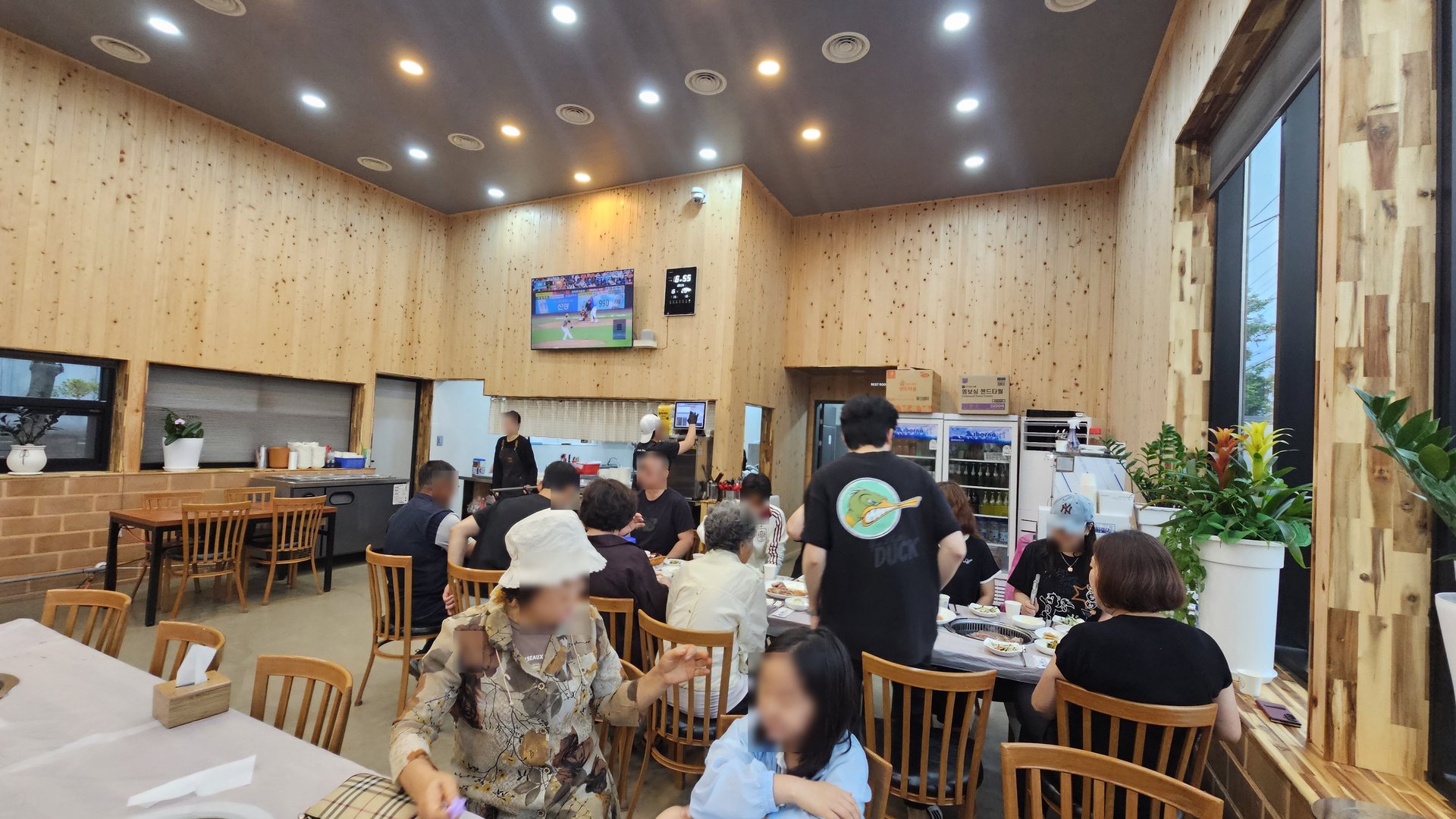
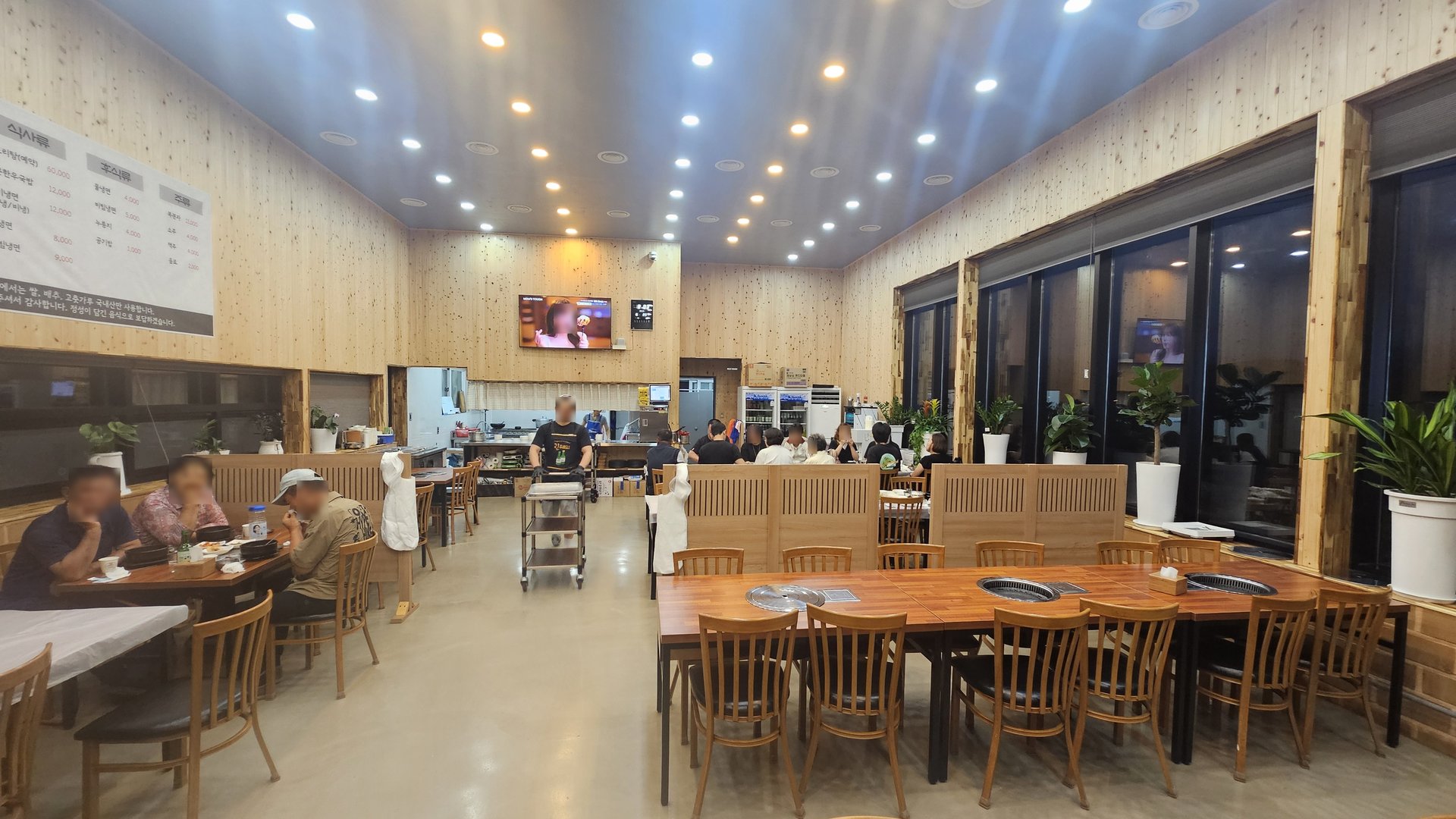
Spacious wooden hall with warm lighting. Multiple tables, TV mounted on one wall, tablecloths. The kind of space that fits a large family dinner without anyone feeling cramped or wedged into a corner.
We were there in the evening and most tables were occupied. Locals, not tourists. That’s a reliable indicator — if people who live 10 minutes away are choosing this spot on a weeknight, it’s doing something right.
Vibe: comfortable, casual Korean BBQ hall. No concept, no gimmick, no Instagram installation in the bathroom. Just a restaurant that wants to feed people.
What We Ordered
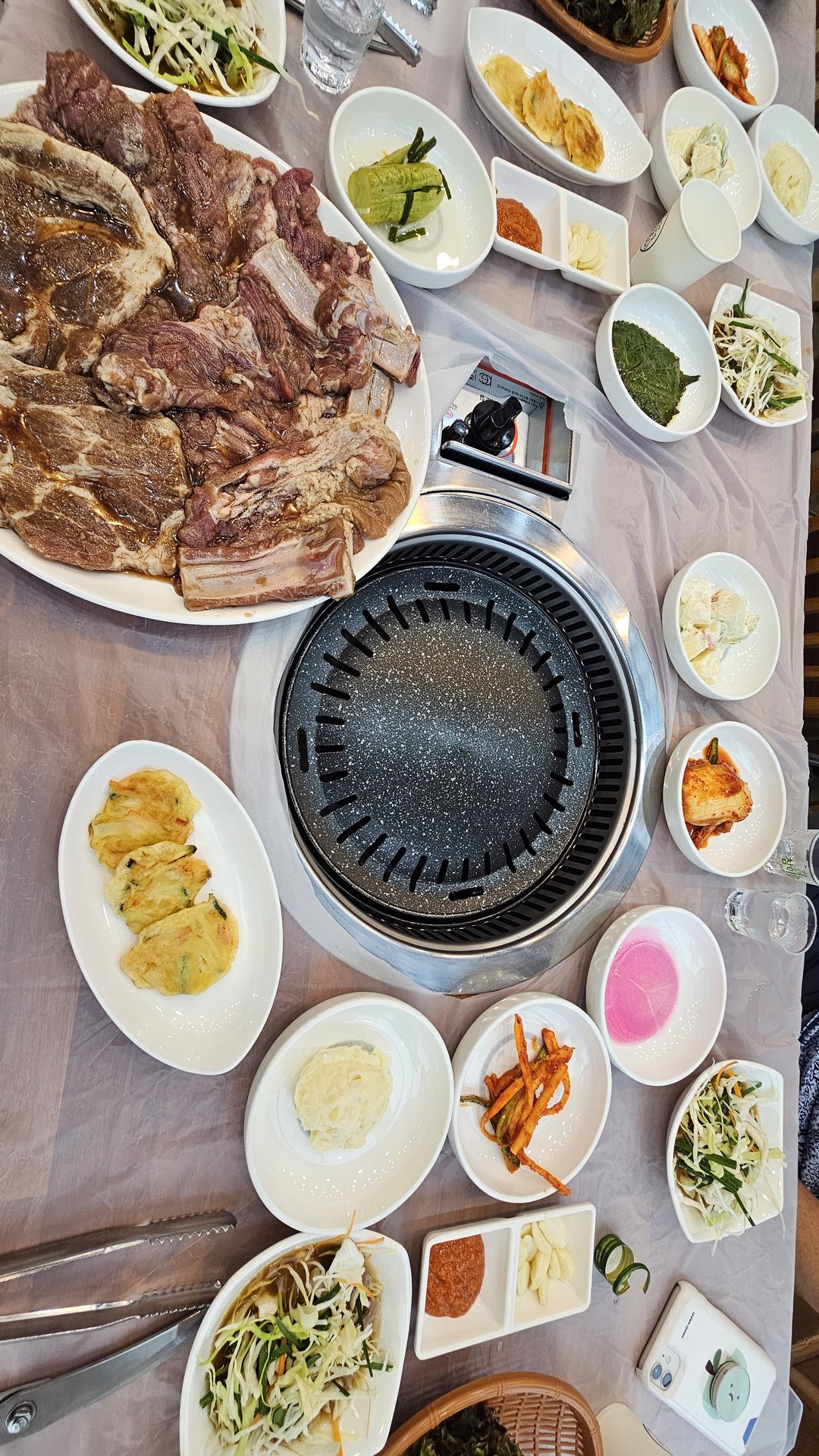
양념돼지갈비 — House-Made Marinated Pork Ribs (5 servings)
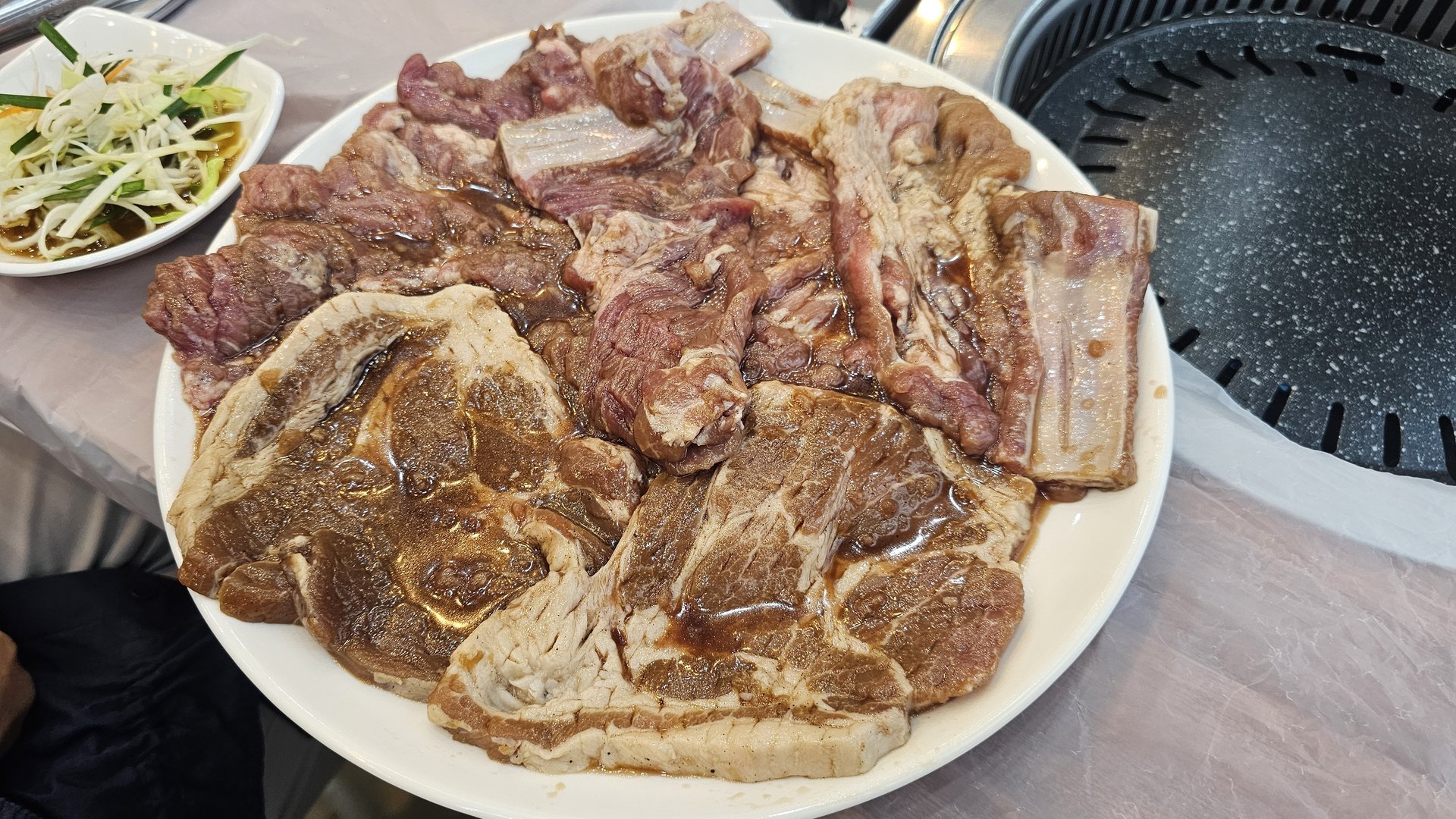
This is the dish. Order this.
The ribs come out marinated and ready for the grill — reddish-brown sauce, gochujang-based (fermented chili paste), layered with soy, garlic, and probably some fruit for tenderizing. Standard Korean galbi marinade structure. But the house-made version reads differently the moment you eat it.
The sweetness is the tell. Commercial marinades are heavy-handed with sugar — it’s the easy way to make something taste immediately satisfying. This one is calibrated. Sweet, but you can actually taste the pork under the sauce. The meat flavor doesn’t disappear.
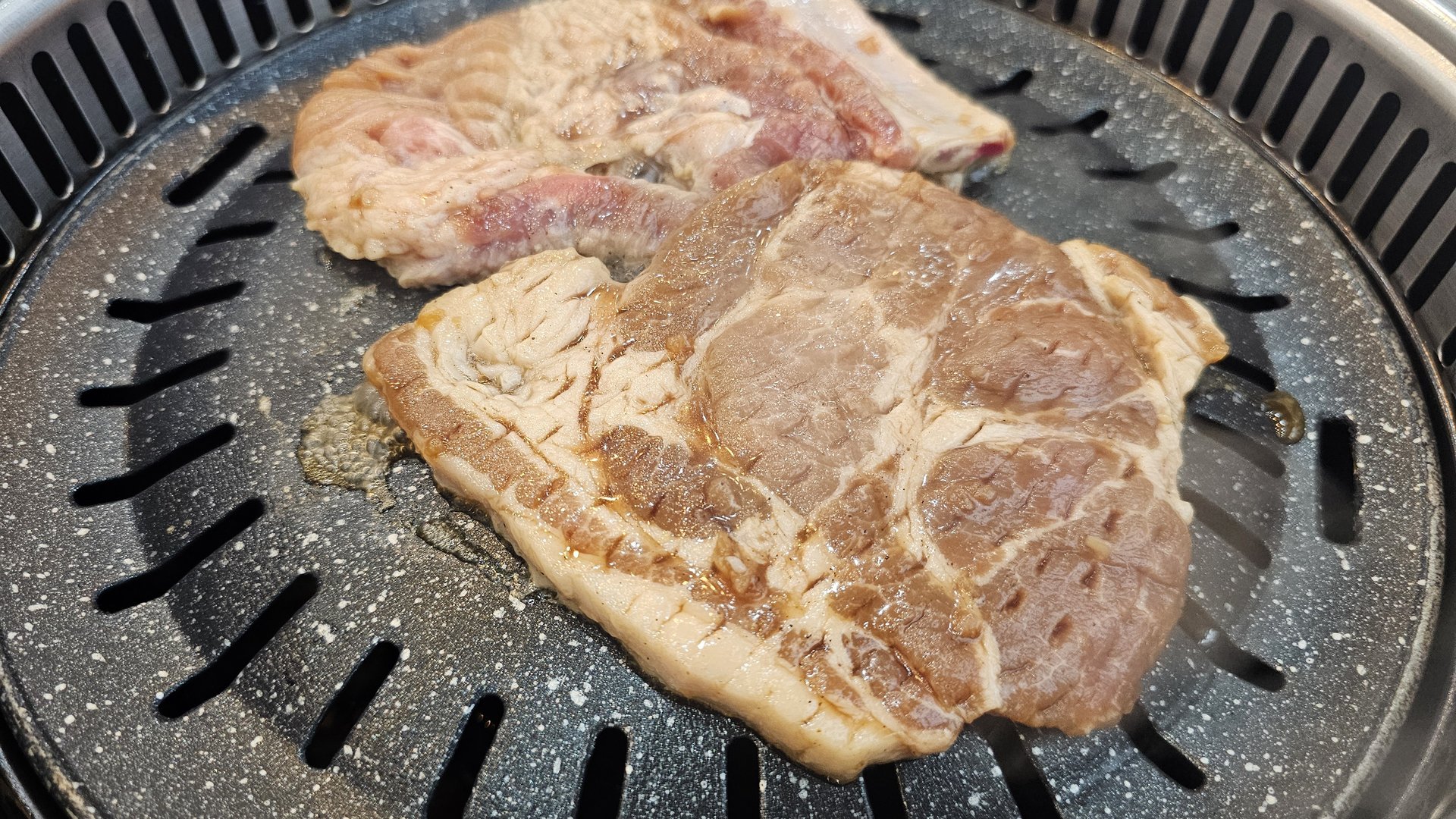
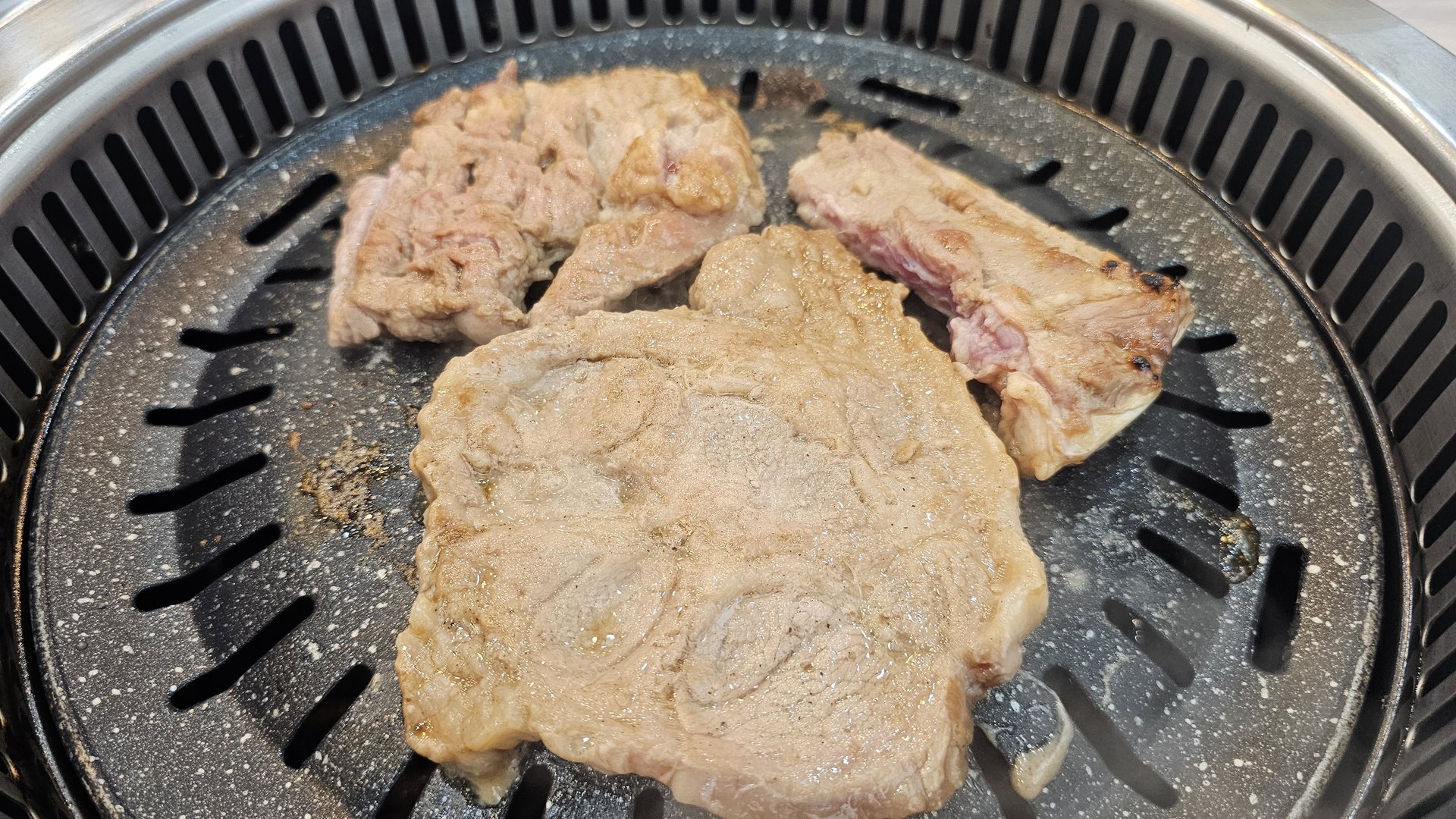
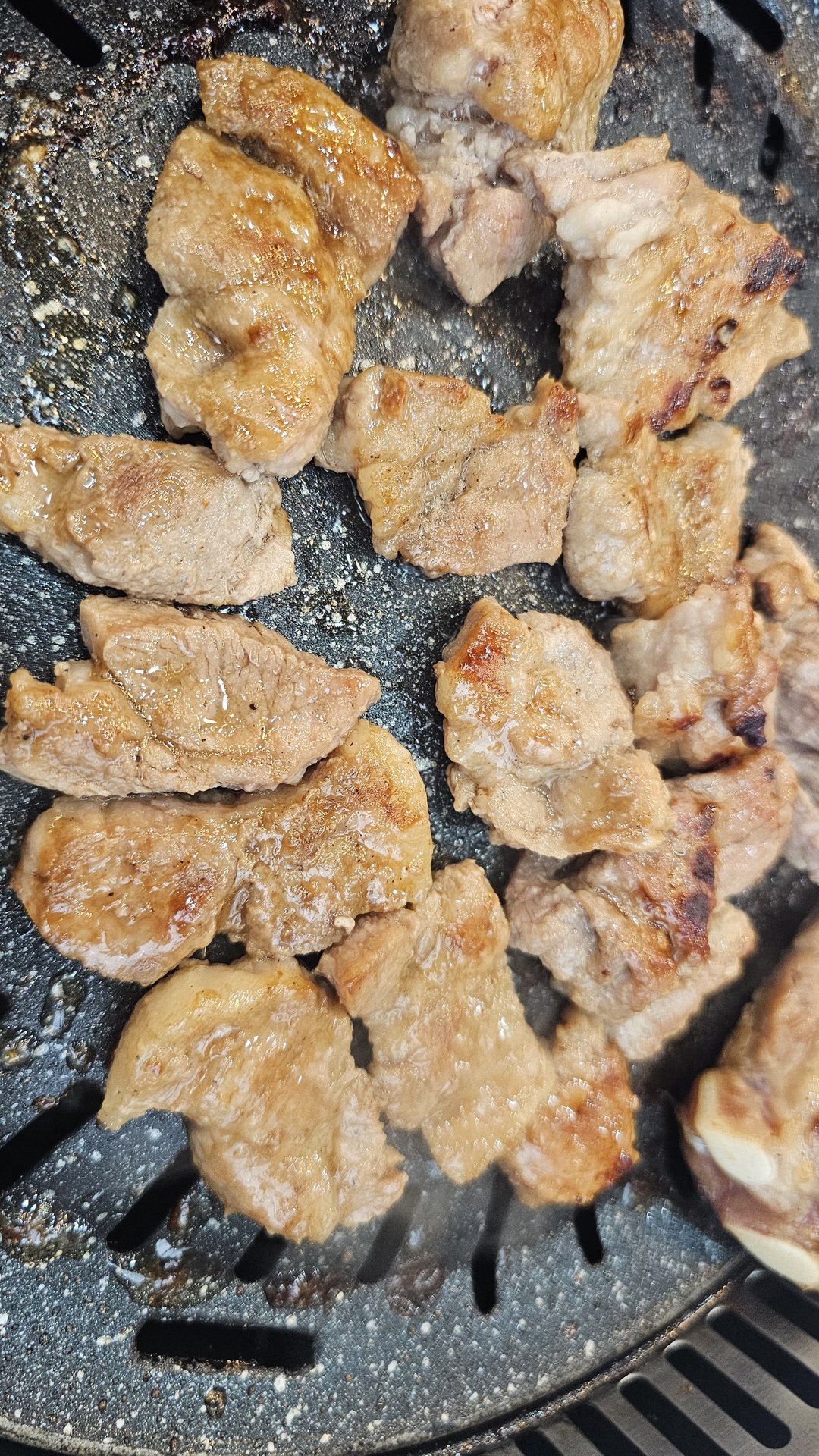
The ribs are thin-cut — standard for pork galbi, which cooks fast and chars nicely at the edges. They’re cut into bite-sized pieces with scissors at the table (normal at Korean BBQ — don’t be startled when someone comes at your food with scissors).
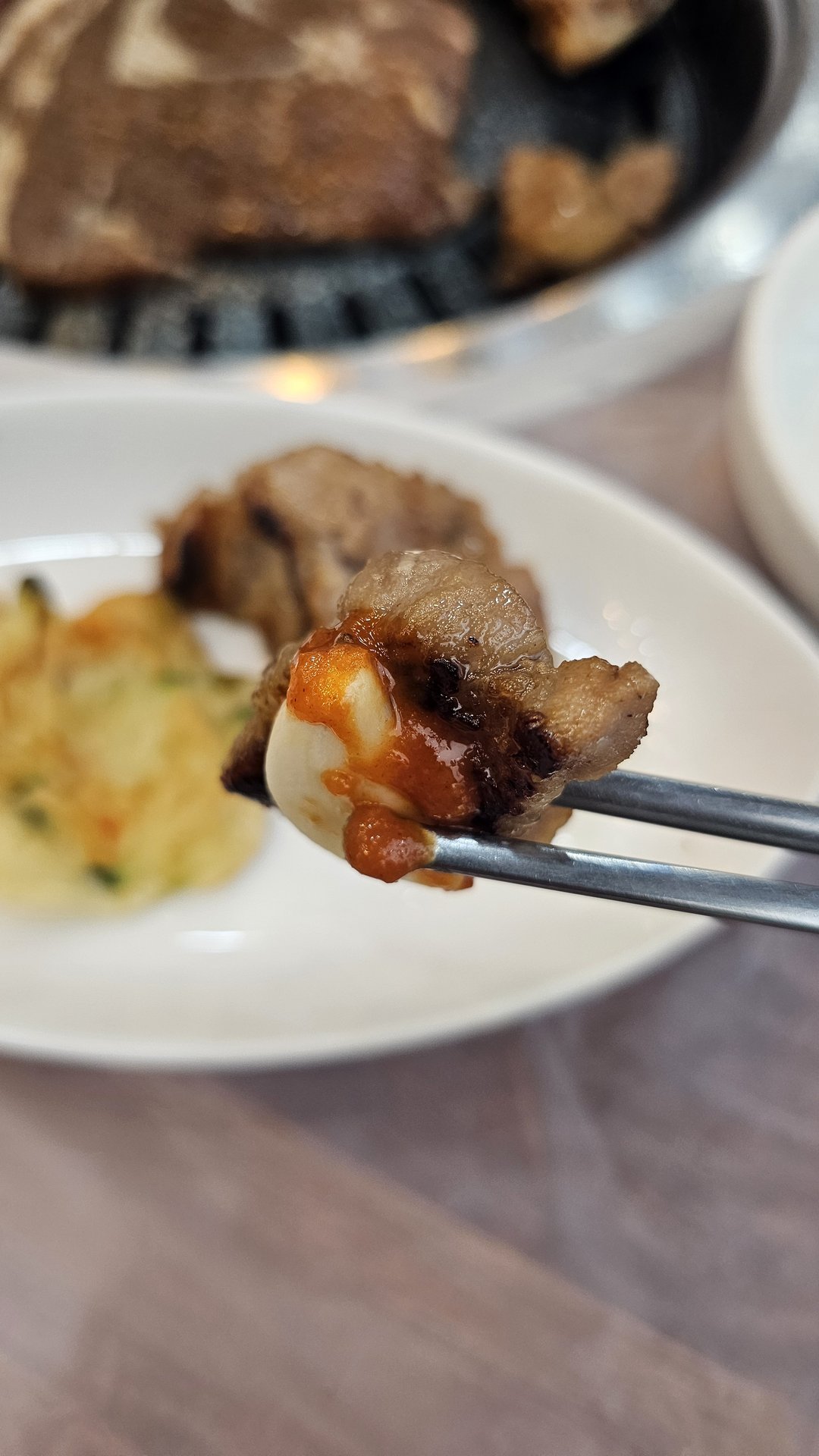
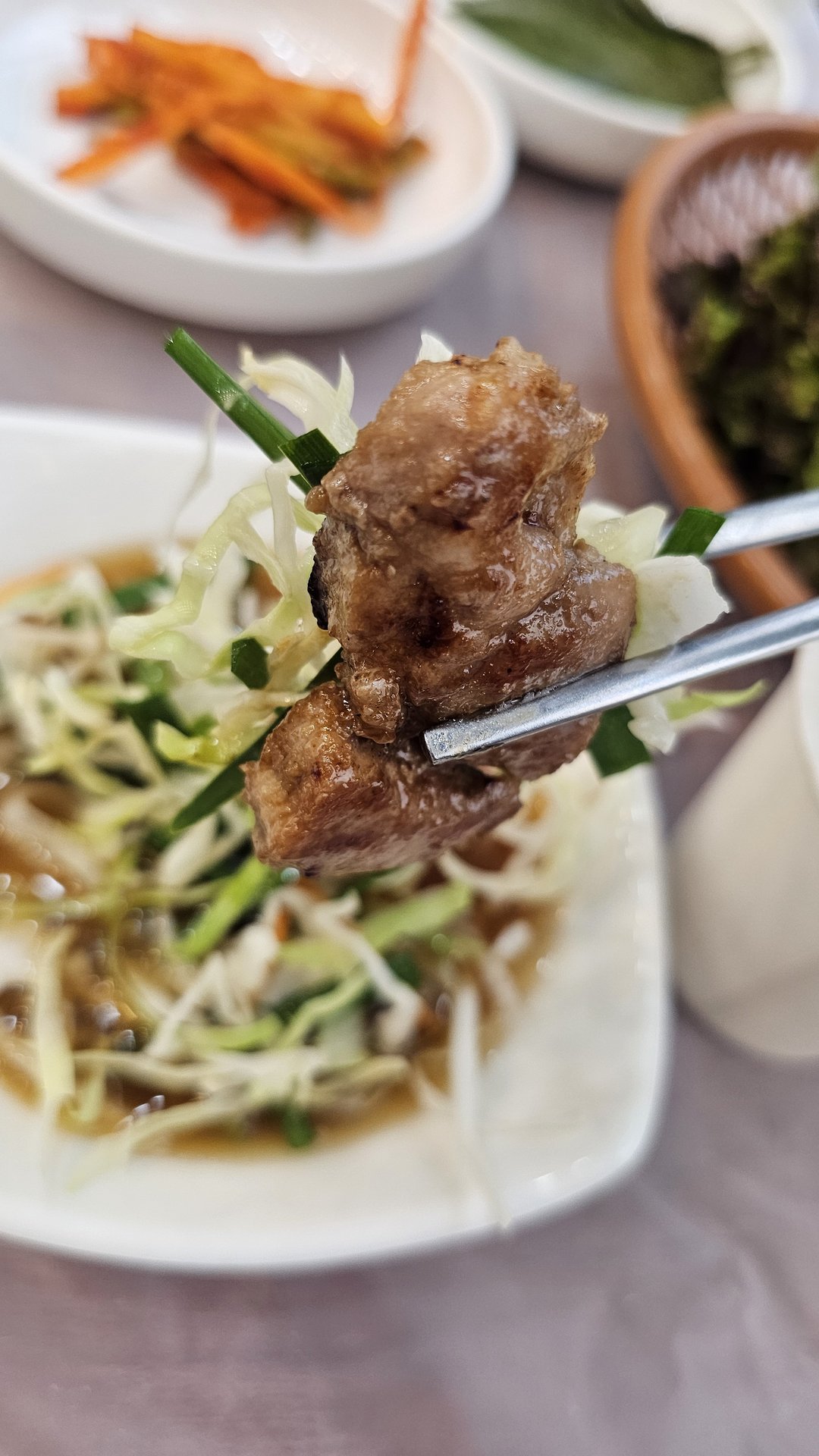
Classic way to eat it: pick up a piece, dip in sauce, put it directly on top of the green onion salad (파채, pa-chae) that comes with the banchan. The acidity of the salad cuts through the richness of the marinade. One bite combination.
The 수제 claim holds up. This is why you come here.
생삼겹살 — Fresh Pork Belly (2 servings)
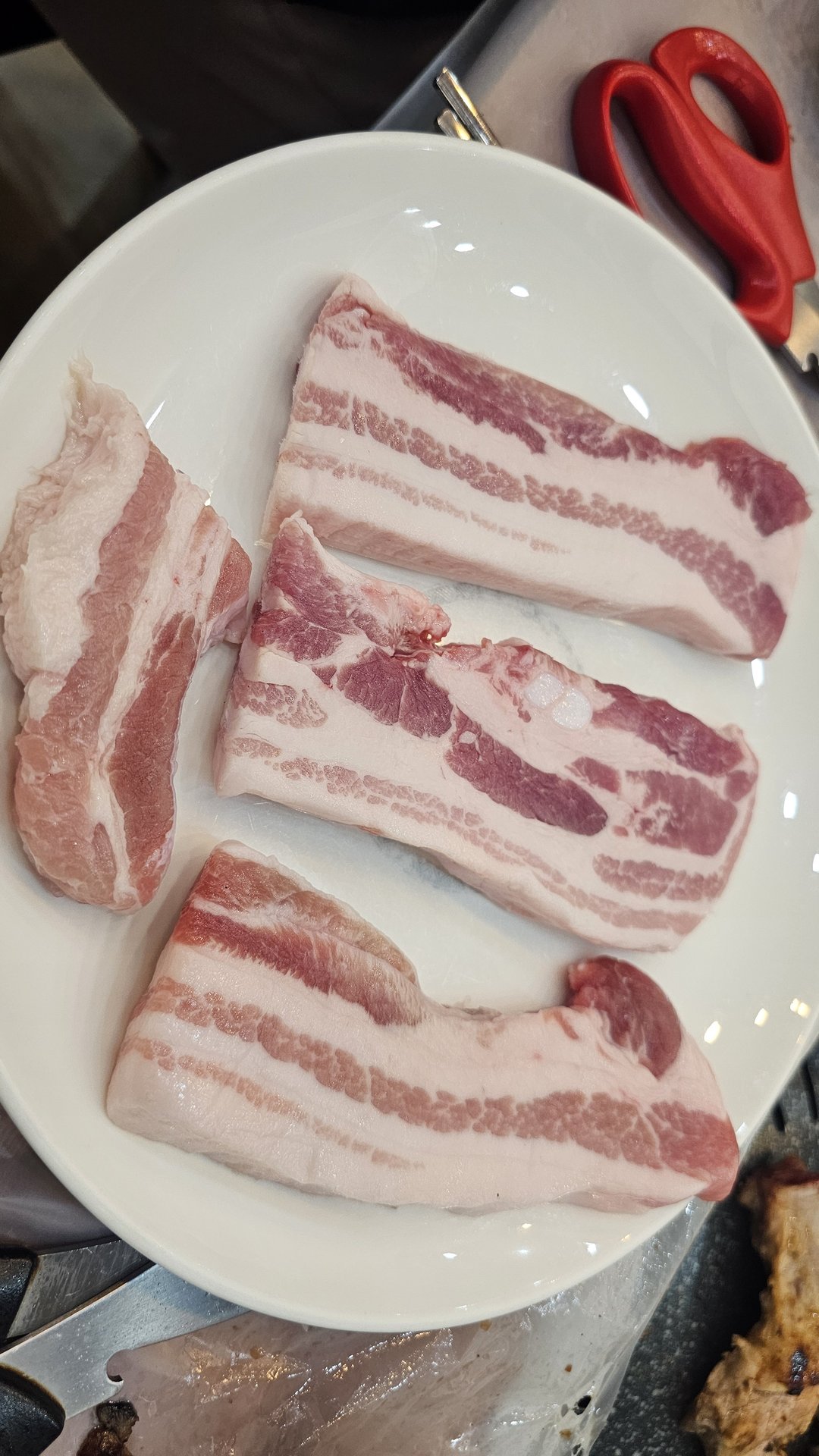
Samgyeopsal (삼겹살) — three-layered pork belly, grilled at the table. If you’ve had Korean BBQ anywhere in the world, you know this dish. “생” (saeng) means fresh or plain — no marinade, just the meat on the grill.
Two servings for five people was the right call: main focus was the galbi, and the samgyeopsal gave us variety without overloading the table.
Quality was noticeably good. Thick cuts, clear fat layering, no water-pumped texture. When you put low-quality samgyeopsal on a grill it shrinks dramatically and goes rubbery. This didn’t. The fat rendered properly, the outside got the right amount of char, and the inside stayed moist.
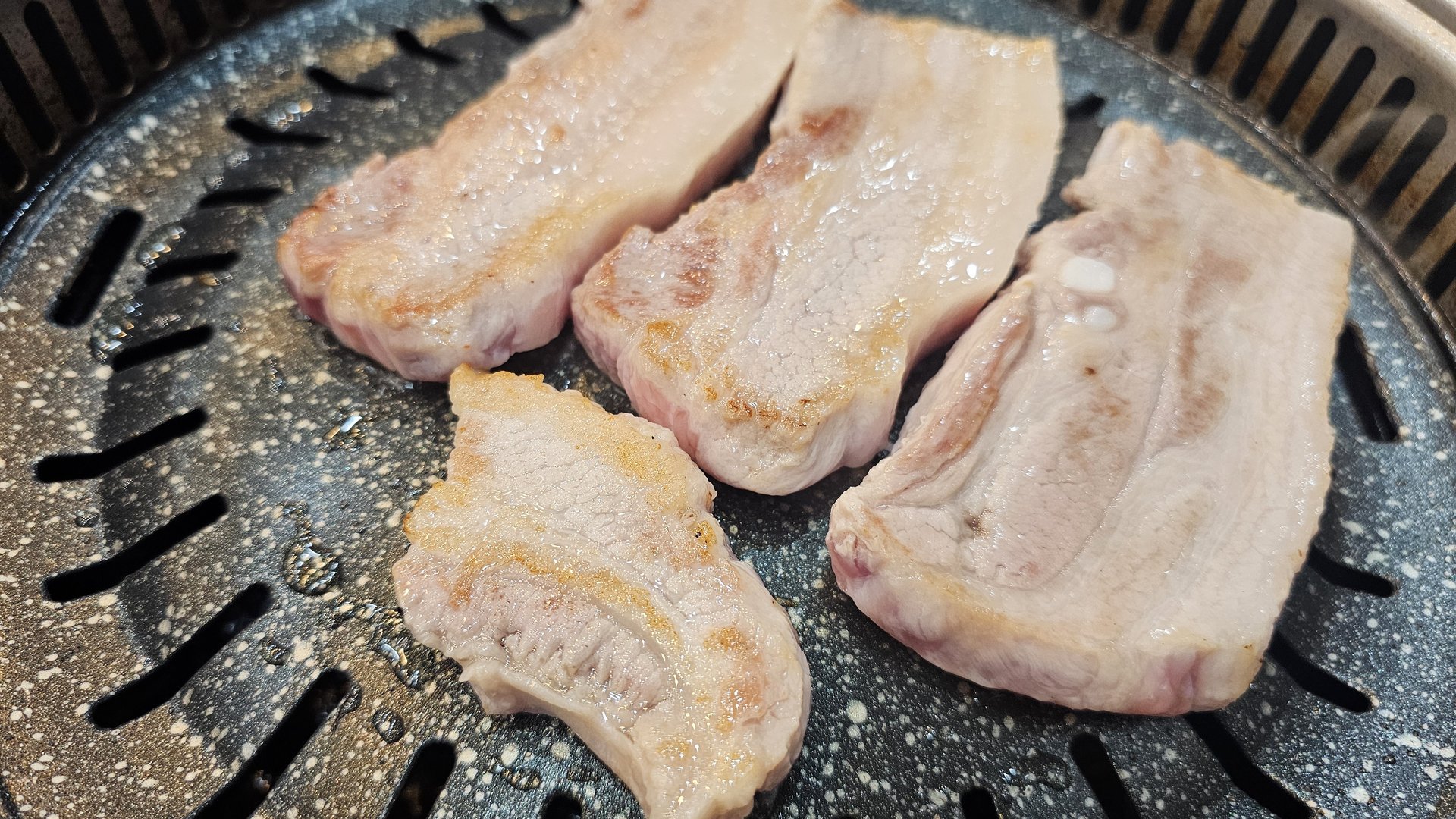
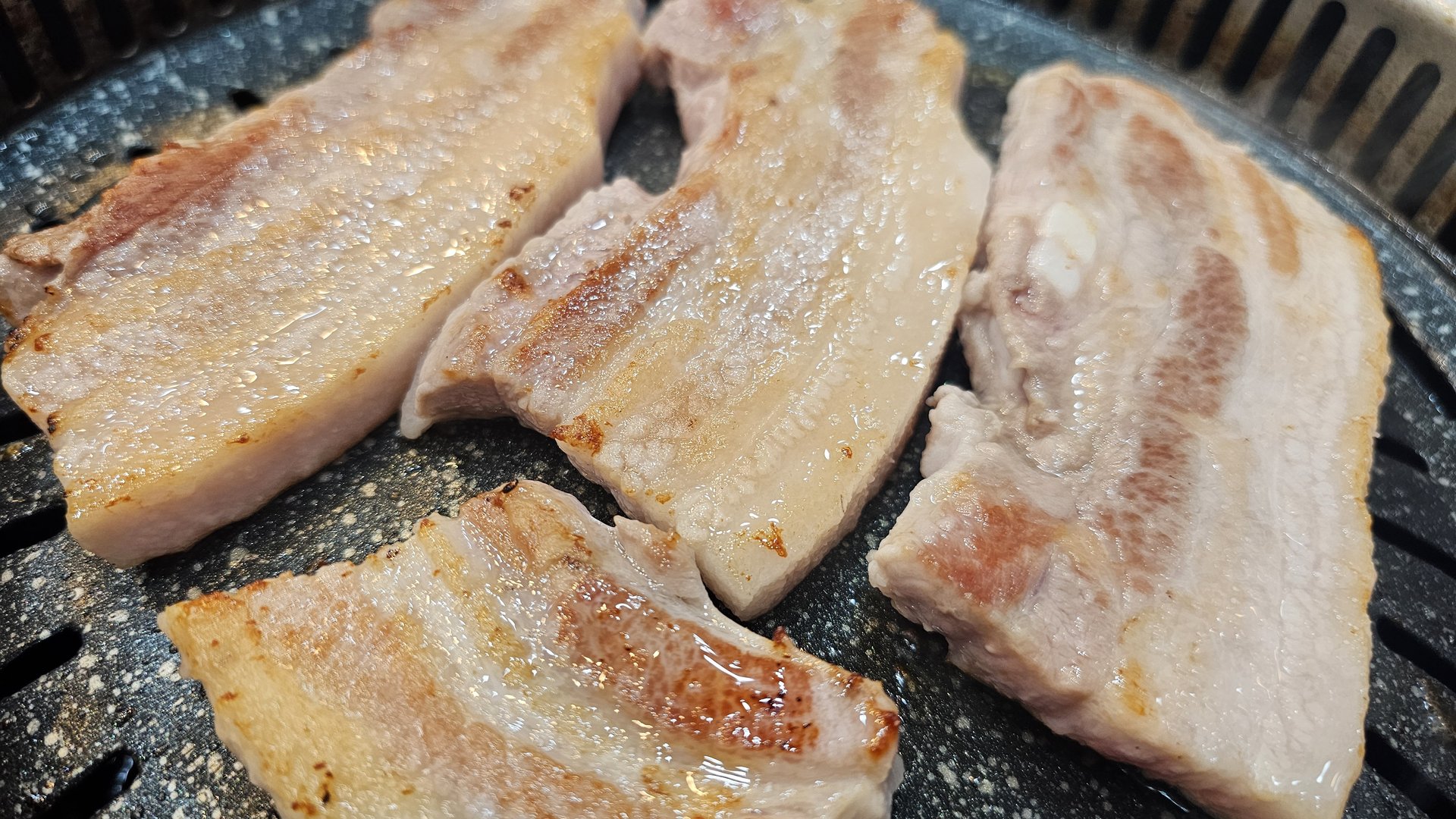
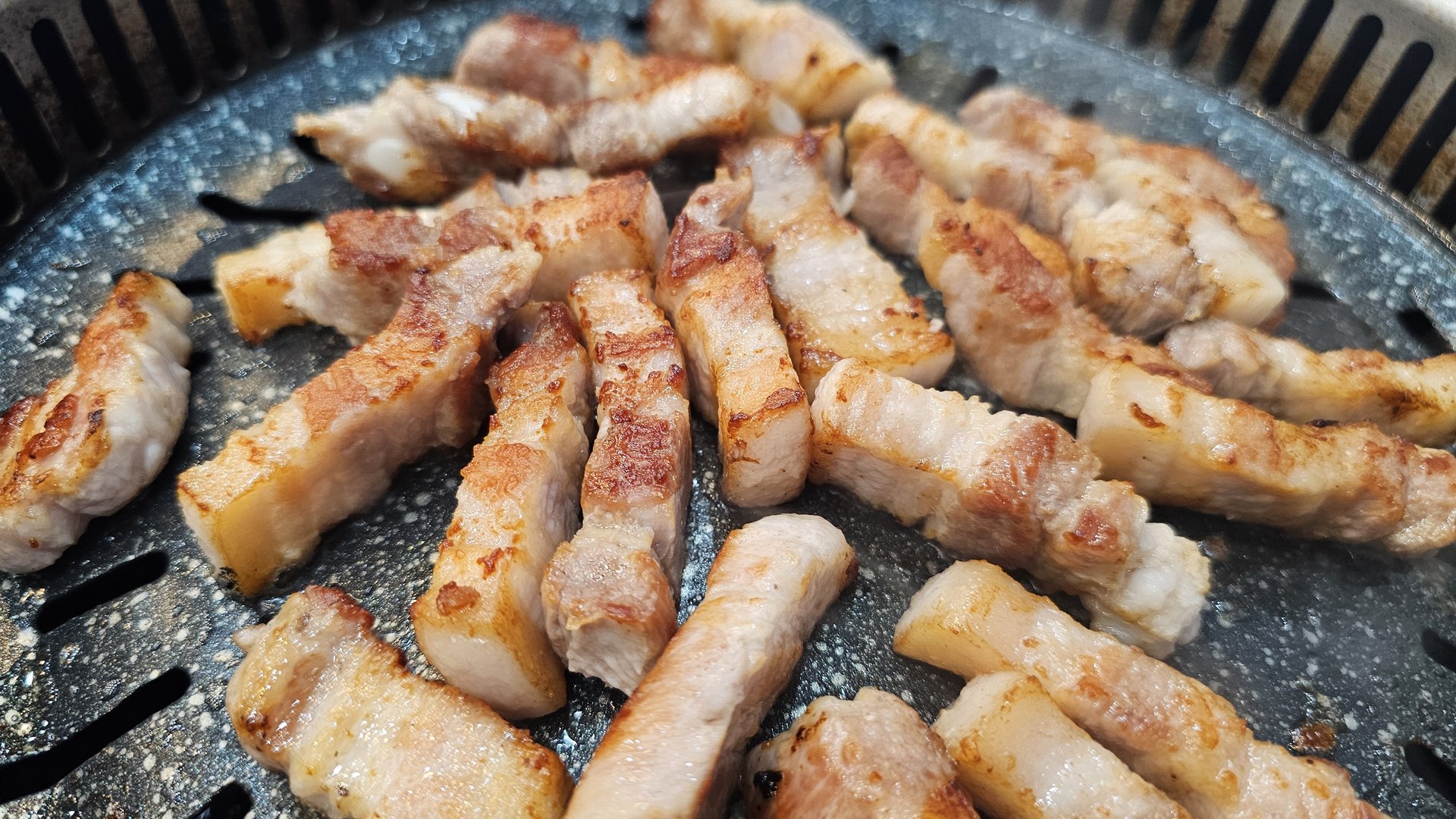
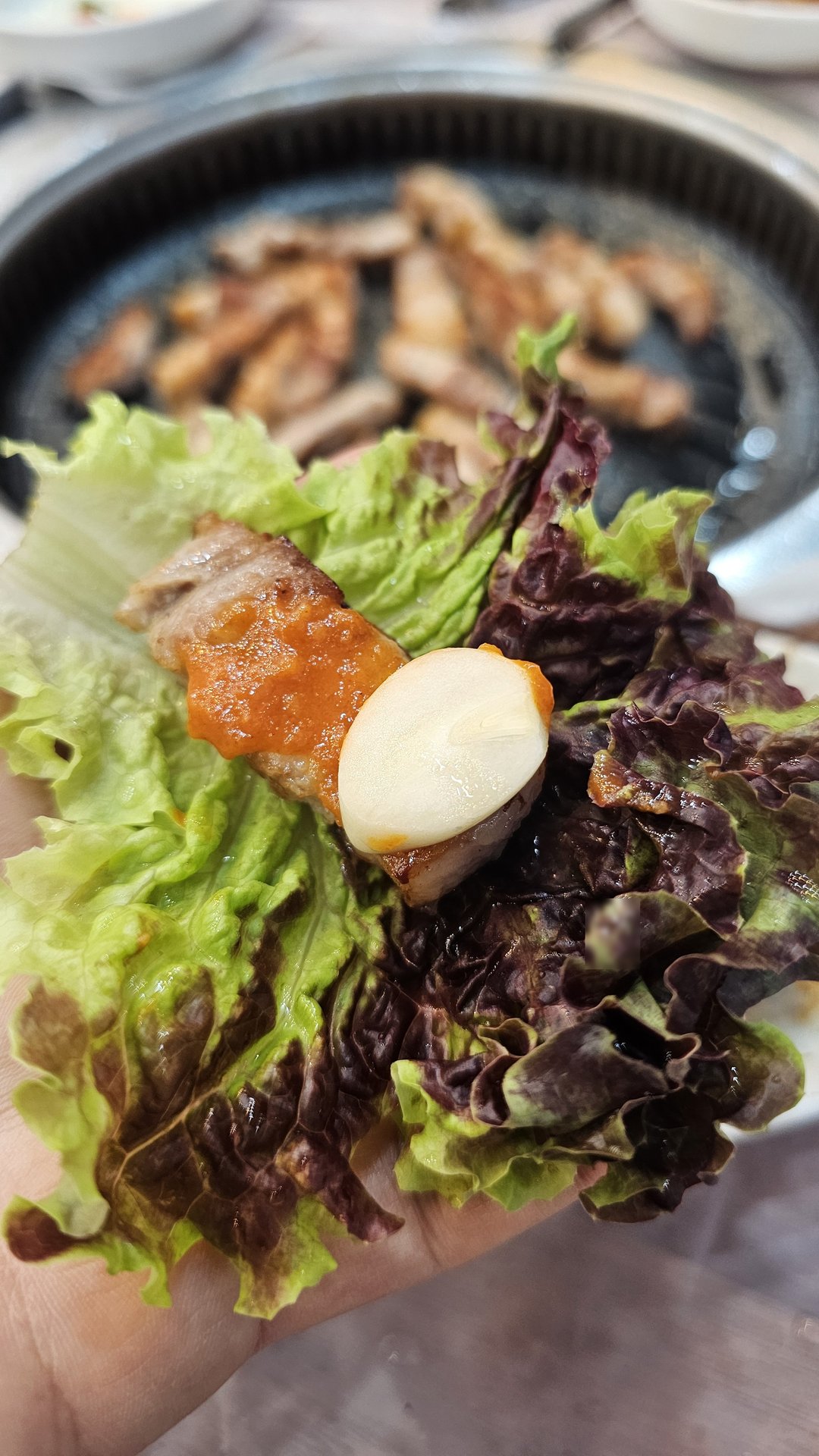
The move everyone should try: wrap a piece in fresh lettuce (상추쌈, sang-chu ssam), add a small smear of ssamjang (된장+고추장 mixed dipping paste), toss in a thin slice of raw garlic. Fold it up, eat in one bite. That’s ssam — the classic wrap.
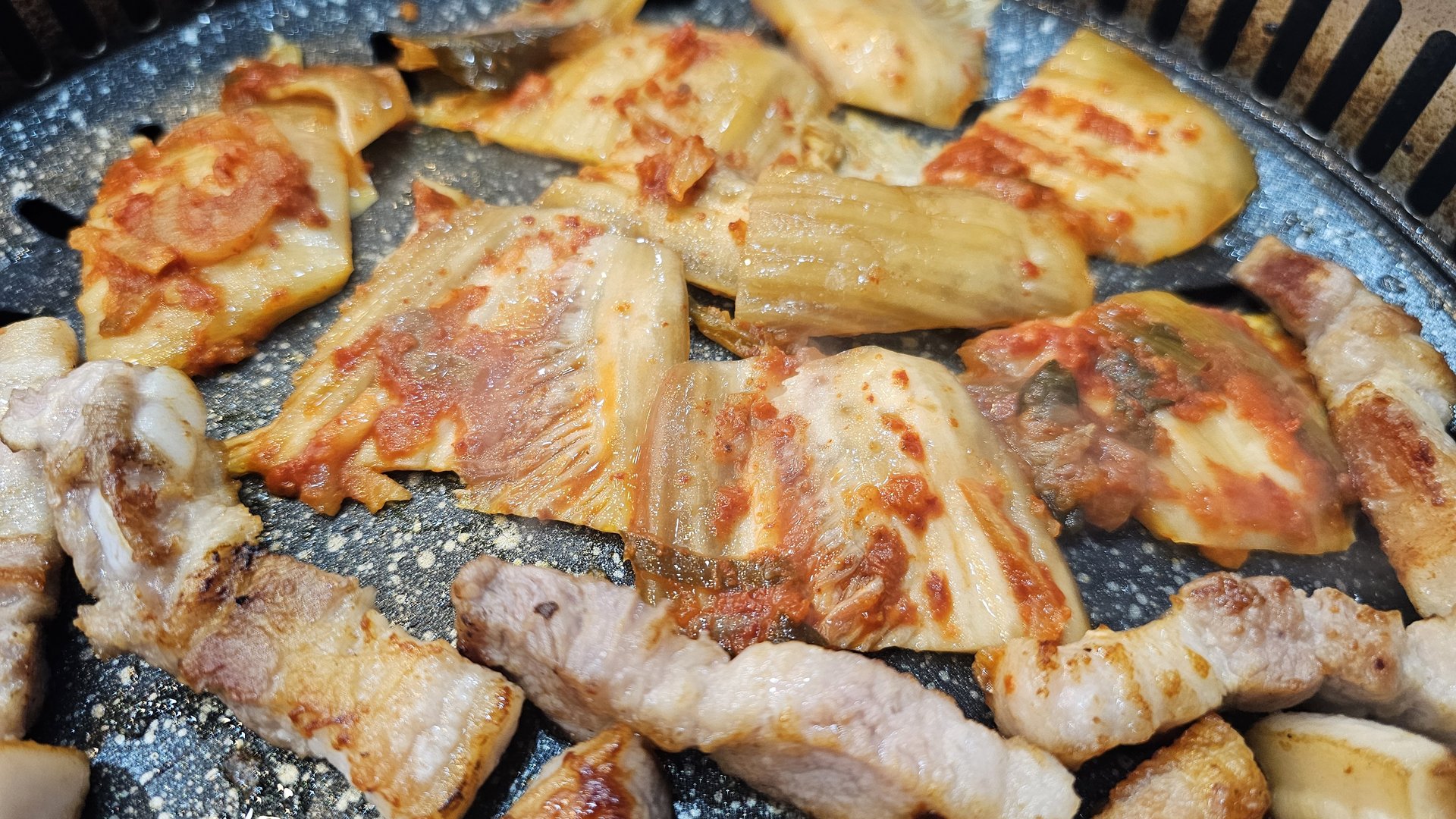
Second move: throw some kimchi on the grill in the last few minutes alongside the pork belly. The kimchi caramelizes, picks up smoke, and the sourness gets mellow. Pork belly + charred kimchi is a combination that makes sense the first time you try it.
반찬 — Banchan (Side Dishes)
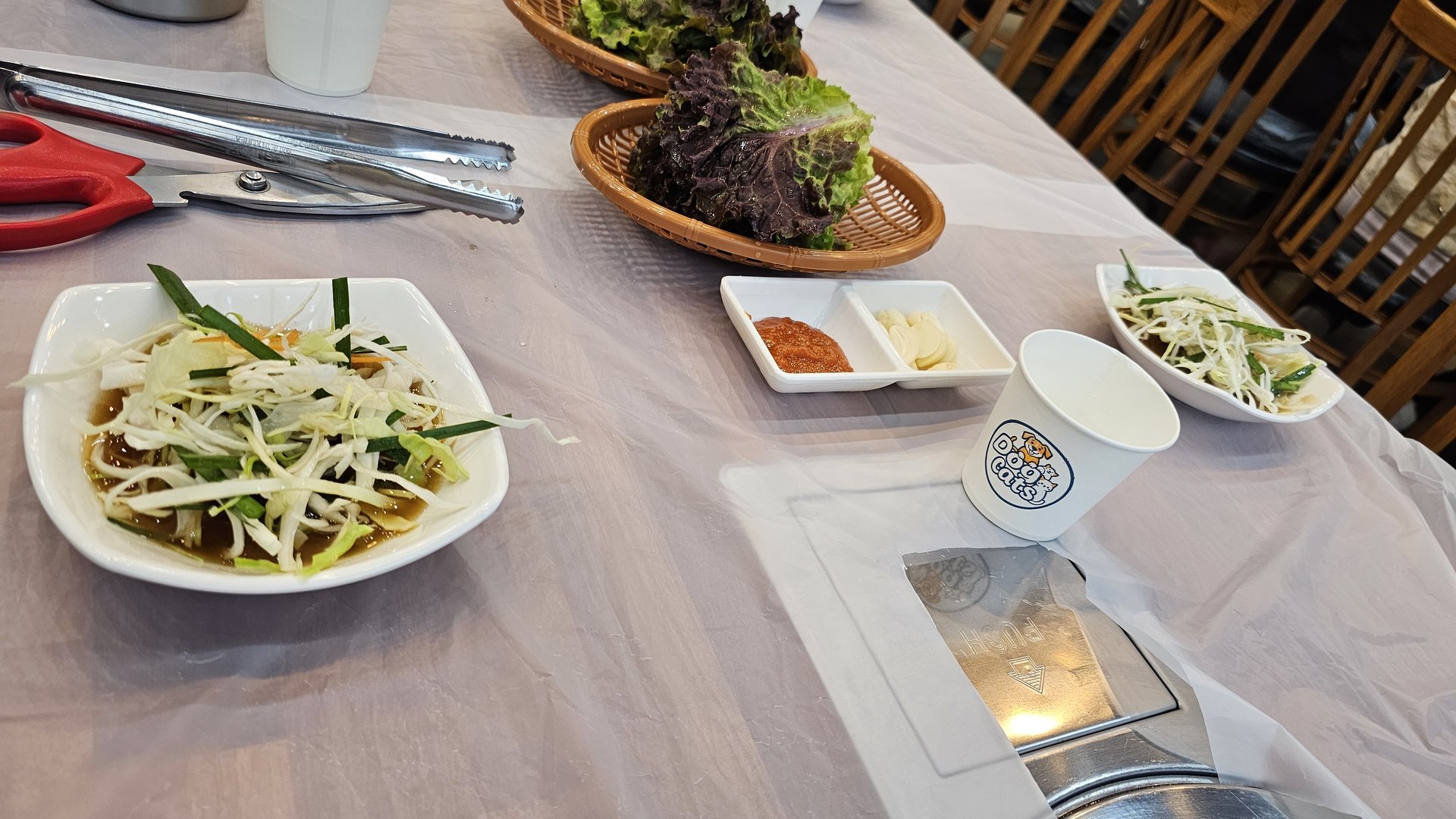
Banchan (반찬) are the small side dishes that come free with any Korean meal. At a BBQ place, they’re designed to complement the meat.
What came with ours:
– 파채무침 — thinly sliced green onion salad seasoned with sesame oil and vinegar. The acid is intentional: it cuts through the rich galbi marinade
– 상추 — fresh green lettuce for wrapping
– 소금+된장 — small dish of salt and fermented soybean paste for dipping the plain samgyeopsal
– 콩나물무침 — seasoned bean sprout salad
Nothing surprising, everything fresh. They refilled without prompting.
된장뚝배기 — Doenjang Hot Pot
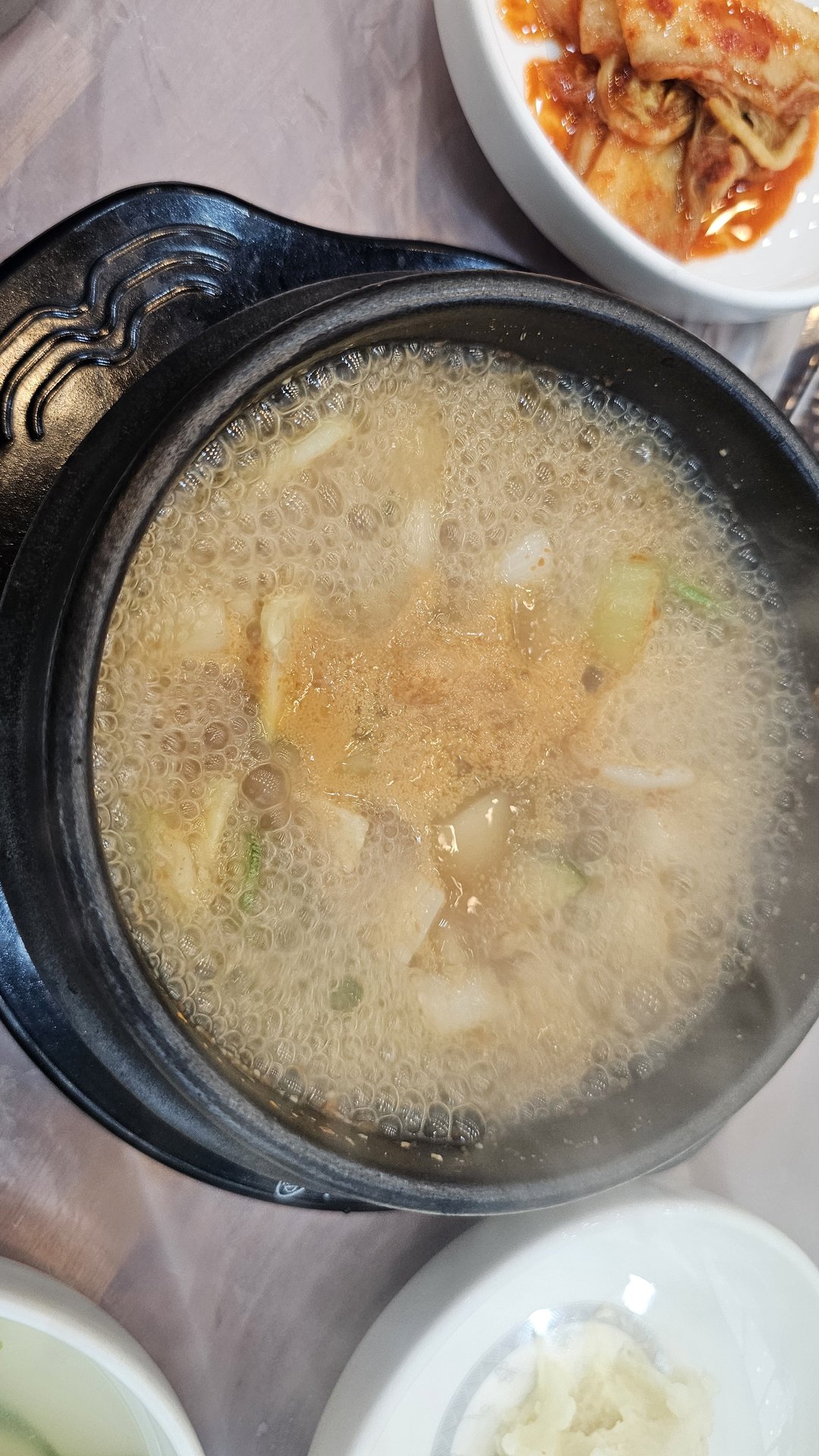

We ordered rice, and it came with a stone pot of doenjang jjigae (된장찌개) — fermented soybean paste stew, served bubbling hot in a ttukbaegi (earthenware pot).
Doenjang is Korea’s answer to miso — fermented soybean paste — but it’s earthier, more pungent, and more complex than the Japanese version. The stew version, jjigae, is one of the great Korean comfort foods. Good for balancing the richness of a heavy BBQ table.
Came with kkakdugi (깍두기, cubed radish kimchi) and white rice on the side.
누룽지 — Scorched Rice

We ordered nurungji (누룽지) to close out the meal. Nurungji is the crispy layer of rice that forms on the bottom of a pot — intentionally scraped off and served dry and crunchy, or made into a light soup.
Ours came as a nurungji soup: slightly milky, subtly nutty, served in a stainless bowl. It’s a palate cleanser more than a dish — light, warm, simple. If you’ve never had it, think of it as somewhere between a thin rice porridge and hot rice water. Korean people tend to order it after a BBQ meal as the way to wrap things up.
Worth trying once if you haven’t.
선양소주 — Seonyang Soju
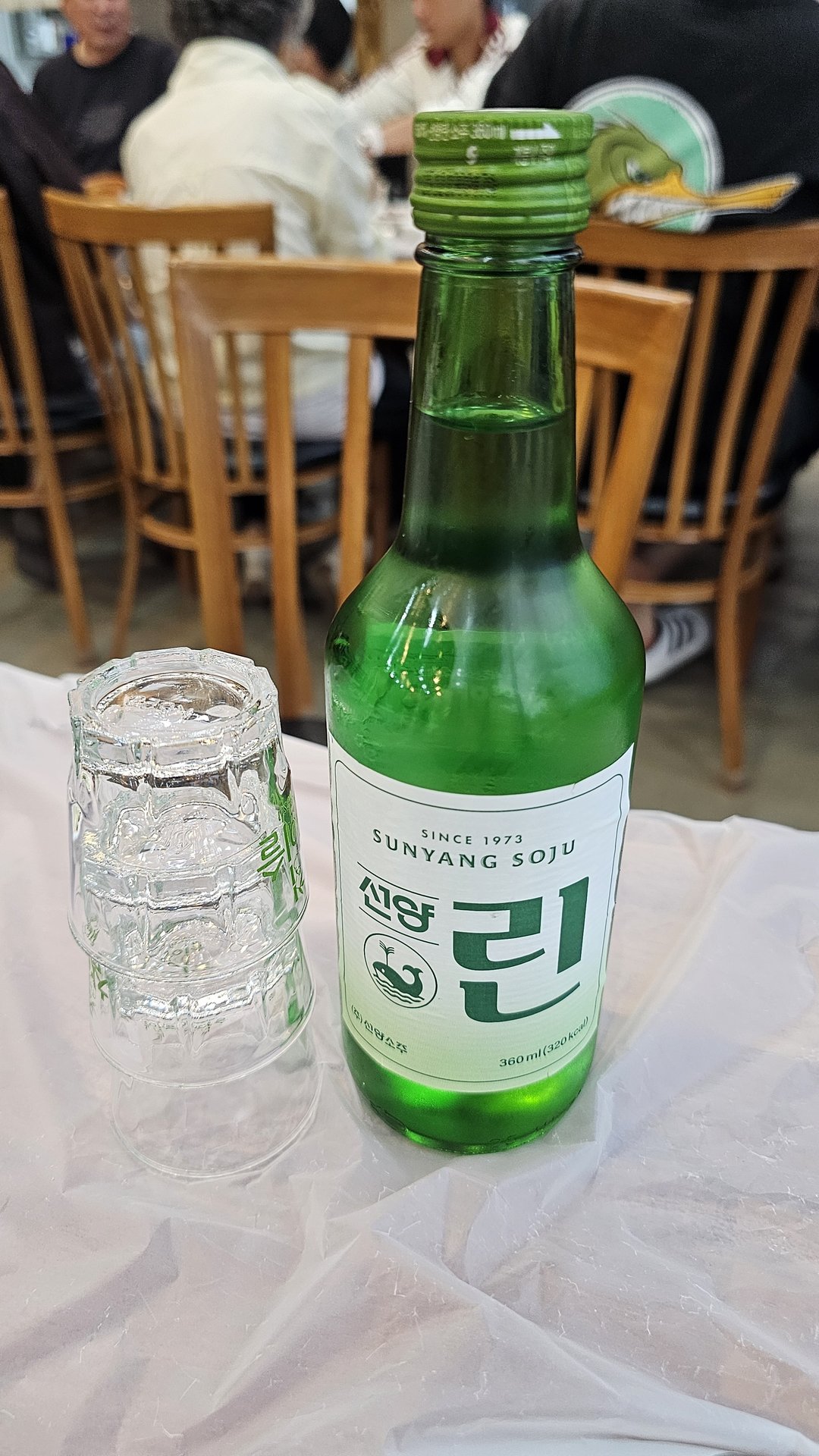
Seonyang Soju (선양소주) is the local soju brand of South Chungcheong Province. If you’ve only encountered Jinro (진로) or Chamisul (참이슬) — the national brands you find everywhere — local sojus tend to have their own character. Seonyang reads slightly lighter than the mass-market versions.
Heads up for international visitors: soju runs ~16–25% ABV depending on the product. Stronger than beer, weaker than whiskey. Three rounds goes fast.
How Much Does It Cost?
The user didn’t give us the exact bill, so use these as ballpark figures only.
For a setup like ours — 5 servings of galbi, 2 servings of samgyeopsal, nurungji, and a few bottles of soju split between five people — expect somewhere in the range of 15,000–22,000 KRW (~$11–16 USD) per person. Rural Chungnam pricing, not Seoul pricing. Verify at the restaurant as costs shift.
Stuff You Should Know Before Going
Language: No English menu. Download Google Translate and use the camera function — point it at the menu and it translates in real time. Staff speaks Korean only; pointing and basic gestures work fine.
Payment: Bring some cash as a backup. Card acceptance is standard across Korea, but foreign cards occasionally have issues in rural areas. Don’t rely solely on your international card.
Tipping: Zero. Korea doesn’t tip. Don’t leave money on the table.
Vegetarian / Vegan: This is a meat-focused Korean BBQ spot. The banchan are plant-based, but the broth may use meat stock. Not practical for vegetarians.
Dietary info: Standard Korean BBQ uses soy sauce, doenjang, and gochujang in most dishes — not gluten-free, not halal. For specific restrictions, a translation app conversation with staff is your best bet.
Kids: Hall-style layout, family-friendly atmosphere. Fine for kids.
Groups: We went with five people and it was comfortable. The setup scales well for larger groups — the dining hall is spacious enough.
Parking: On-site lot. No stress.
The Verdict
Songnim delivers on the thing it’s claiming to be good at. The house-made marinade on the galbi is noticeably better than the bottled version — balanced sweetness, meat flavor comes through, not candy-coated. The samgyeopsal was quality meat, handled properly. The meal felt like a local place that actually cares about what goes on the grill.
Is it a destination restaurant? No. You’re not driving from Seoul specifically to eat here. But if you’re passing through South Chungcheong — if you’re doing a Chungnam road trip, visiting somewhere in the province, or just hungry and in the area — this is the kind of local spot worth having on the list.
Go if:
– You’re road-tripping through Chungnam and need a proper dinner
– You’re with a group of 4+ and want the full Korean BBQ experience
– You’ve done the Seoul BBQ circuit and want to see what a local Chungcheong spot does with the same ingredients
– You want to taste the difference a house-made marinade actually makes
Skip if:
– Your Korea trip is Seoul-only (stay in Seoul, eat BBQ there)
– You need English-speaking staff or an English menu
– You’re vegetarian or have significant dietary restrictions
Would go back. No question.
FAQ
What are Songnim’s opening hours in Cheongyang?
The sign shows 11:00 AM to 9:00 PM. Call ahead if you’re visiting on a public holiday — hours may vary.
What should I order at Songnim Cheongyang?
The 양념돼지갈비 (yang-nyeom galbi — house-made marinated pork ribs) is the specialty. That’s the whole point of coming here. Add samgyeopsal if your group is big enough to want variety.
How do I get to Cheongyang from Seoul?
About 2 hours by car via the Seohaean or Honam Expressway. Express buses from Seoul’s Gangnam Express Bus Terminal serve nearby towns. No KTX — driving is the most practical option.
Is Songnim foreigner-friendly?
Honestly, no — not in the “English menu and staff who speak English” sense. Use Google Translate’s camera mode on the menu. Staff are local and won’t speak much English, but pointing and gesturing gets the job done fine.
How much does a meal cost at Songnim per person?
Roughly 15,000–22,000 KRW (~$11–16 USD) per person for a full BBQ meal with meat, banchan side dishes, and a drink. Prices may have changed — check current menu prices on-site.
Is there parking at Songnim Cheongyang?
Yes, there’s a proper parking lot out front. No issues for groups arriving by car.